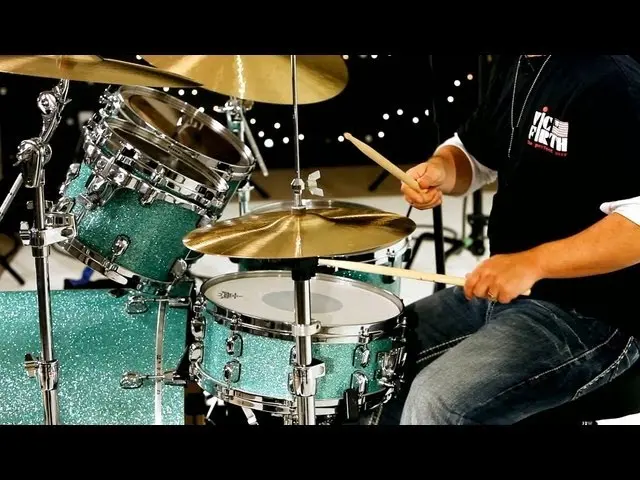
A drummer is a musician who serves as the rhythmic backbone and heartbeat of a musical ensemble, providing the foundational pulse, tempo, and groove that the other musicians follow. Their role is crucial in shaping the energy, dynamics, and structure of a song in both live performances and studio recordings.
Core Responsibilities
- Timekeeping and Rhythm: The primary duty is to set and maintain a consistent tempo and rhythm, ensuring the entire band stays in sync.
- Groove and Feel: Drummers contribute significantly to the "feel" or groove of the music, which can range from laid-back to high-energy, and makes the music engaging and danceable.
- Musical Structure and Dynamics: Drummers use fills, accents, and dynamic changes (volume and intensity variations) to signal transitions between song sections (verses, choruses, bridges) and add excitement and depth to the music.
- Collaboration and Communication: They work closely with other musicians, especially the bassist, to create a cohesive and solid rhythmic foundation. This requires strong listening skills and non-verbal communication.
- Live Performance: Drummers are key to driving the energy on stage, connecting the band with the audience through their physical and expressive playing style.
- Recording and Rehearsal: They attend rehearsals regularly, practice individually, and work with producers/engineers in recording studios to achieve the desired sound for a track or album.
- Equipment Management: Drummers are responsible for setting up, breaking down, tuning, and maintaining their drum kits and other percussion instruments to ensure optimal sound quality.
Key Skills and Qualifications
- Excellent Rhythm and Timing: Superior timing and a natural, internal sense of rhythm are essential.
- Coordination and Stamina: The ability to move all four limbs independently (hands and feet) in complex patterns requires significant coordination and physical stamina.
- Musicality: Drummers should understand music theory, song arrangement, and how their part supports the overall composition, rather than just playing complex patterns for the sake of it.
- Versatility and Adaptability: A skilled drummer can adapt their playing style to various genres (jazz, rock, pop, hip-hop, etc.) and different musical situations.
- Creativity and Improvisation: They often write or arrange drum parts and can improvise solos or fills as needed.
- Professionalism: Reliability, a positive attitude, and the ability to work as part of a team are vital for success in the music industry