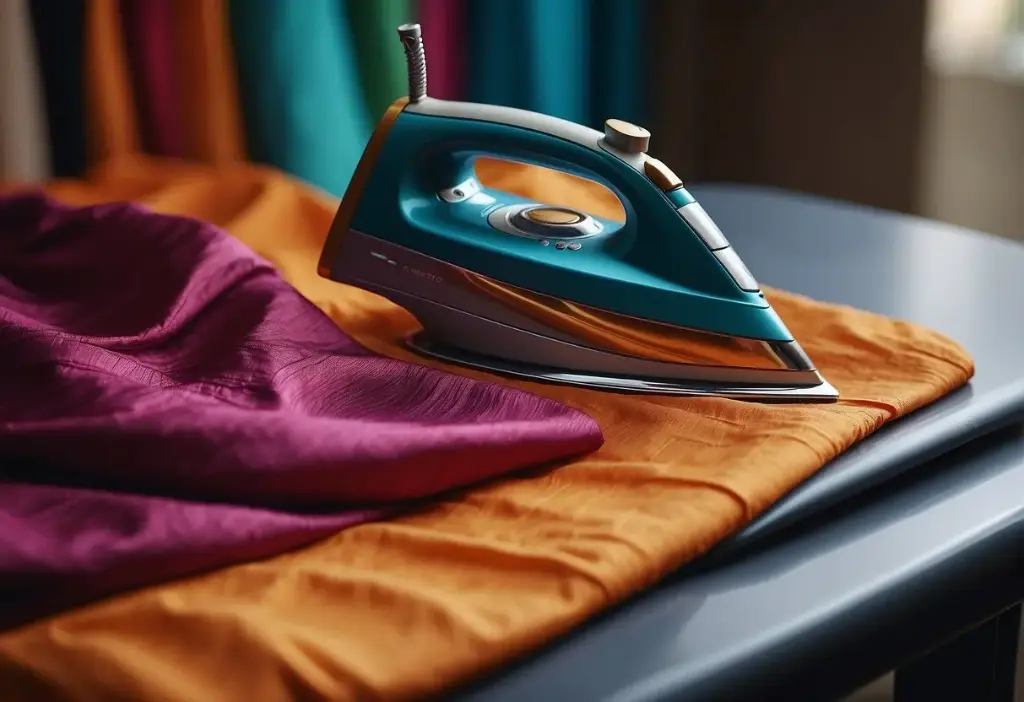
Full day ironing costs: 2000/- per day
Half day ironing costs: 1500/- per day
Godinga can provide an exceptional dry ironing service to ensure guests attending events arrive looking polished and presentable. This convenient on-site or pre-event offering includes professional pressing of attire like suits, sarees, sherwanis, and lehengas, using high-quality irons to remove wrinkles and restore crisp folds without damaging delicate fabrics. perfect for weddings as well as corporate, social and private events. it saves guests time and enhances their experience with effortless elegance.
Key steps for providing a professional dry ironing service:
Initial Preparation
Inspect garments for fabric type, stains, or damage; tag delicate items like silk sarees for low-heat handling.
Empty pockets, remove accessories (belts, pins), and sort by material to prevent color transfer or mishandling.
Ironing Process
Select dry iron setting based on fabric (e.g., low for silk, medium for cotton); test on hidden area first.
Use a protective cloth barrier for delicates; iron reverse side with light, straight strokes from edges inward.
Press structured areas (pleats, collars, trouser creases) last with minimal pressure for sharp finishes.
Final Checks
Key Benefits Of Using Dry iron:
Provides precise control over temperature, ideal for delicate fabrics like silk or wool without risking water spots or shrinkage.
Requires no water or steam maintenance, simplifying use and reducing issues like leaks or mineral buildup.
More energy-efficient and cost-effective, as it uses less power and has fewer parts prone to wear for longer durability.
Minimizes moisture-related damage, making it safer for intricate details, pleats, or laminated materials.
Portable and lightweight, perfect for quick touch-ups without needing a water tank.