The term "item performer" is not a standard, recognized legal term with a universal description across all legal contexts. Its meaning is highly dependent on the specific domain or context in which it is used, such as business process management, healthcare, or entertainment.
Here are the most common contexts in which the term (or related usage) appears:
1. In Business Process and Workflow Management (Common Context)
In the context of workflow and business process management software (e.g., OpenText Documentum), an "item performer" refers to the individual, group, or system component assigned the responsibility of executing a specific task or "work item" within a defined process.
- Role: The item performer is the agent responsible for taking action on a particular item (e.g., approving a document, completing a data entry task, performing a clinical procedure).
- Function: Workflow systems use this designation to route tasks, monitor progress, assess performance based on time taken (deviation from target duration), and manage accountability within an organization's business process.
- Legal/Contractual Implication: In this context, the description relates to internal operational roles and responsibilities, which might have implications in employment contracts or internal audit compliance, but it is not an intrinsic legal term itself.
2. In Healthcare/Clinical Systems
In some healthcare management software, the "item performer" indicates the licensed professional or other staff member who performed or participated in a specific charged service or procedure (a "charge item"). This is crucial for billing, regulatory compliance, and medical record-keeping purposes.
3. In the Entertainment Industry (Colloquial Usage)
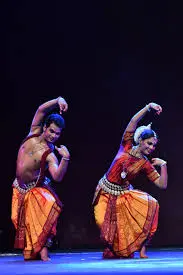
In the Indian film industry, "item performer" (or "item girl/boy") is colloquial slang for an actor, singer, or dancer who performs in a catchy, often sexually provocative "item number" (a musical performance with little or no connection to the film's main plot).
- Legal/Contractual Implication: While this is a common use of the term, its legal description would fall under standard entertainment law contracts, specifying the performer's role, compensation, intellectual property rights (image, performance), and the scope of work for that specific musical sequence.