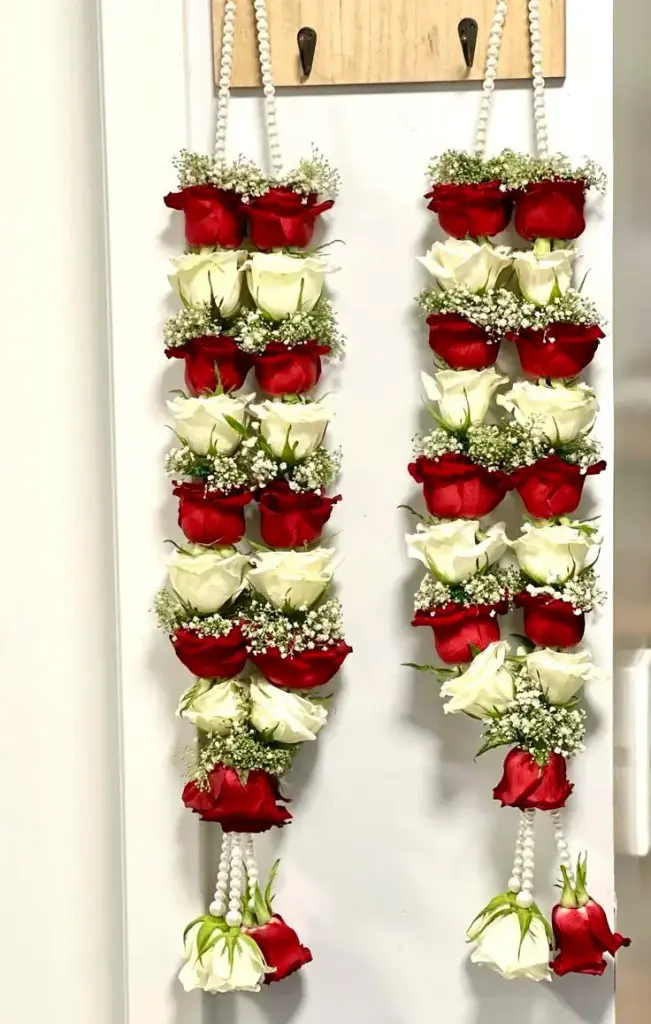
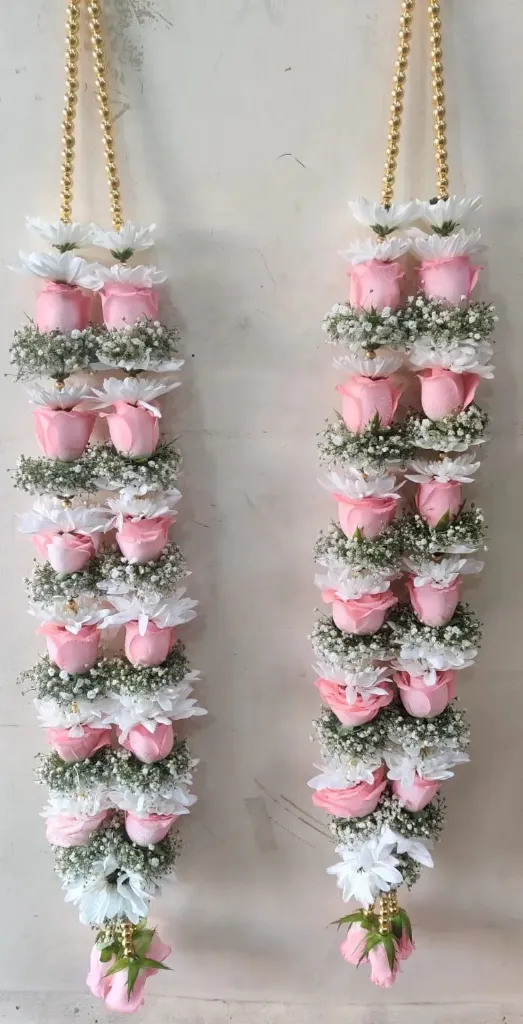
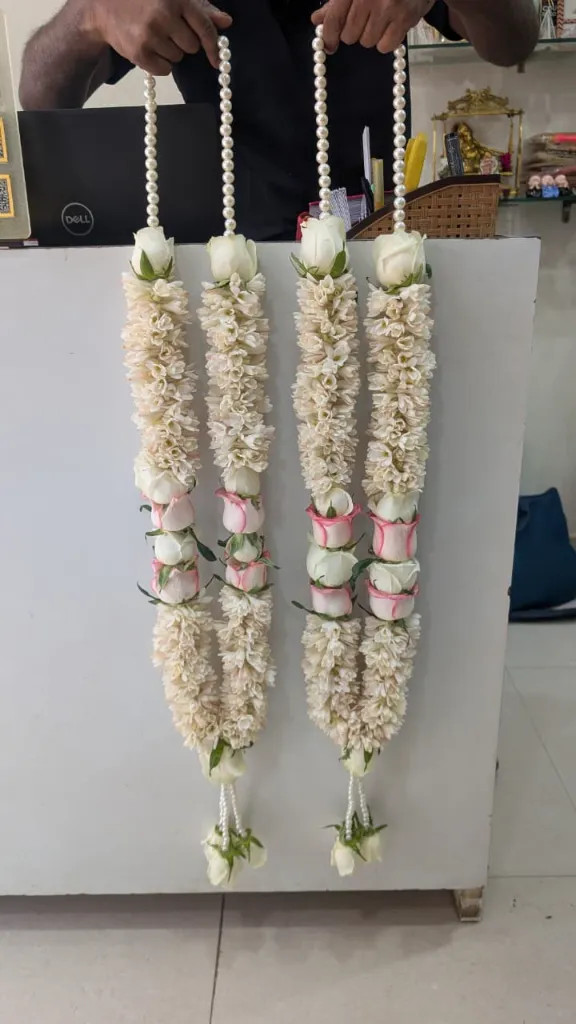
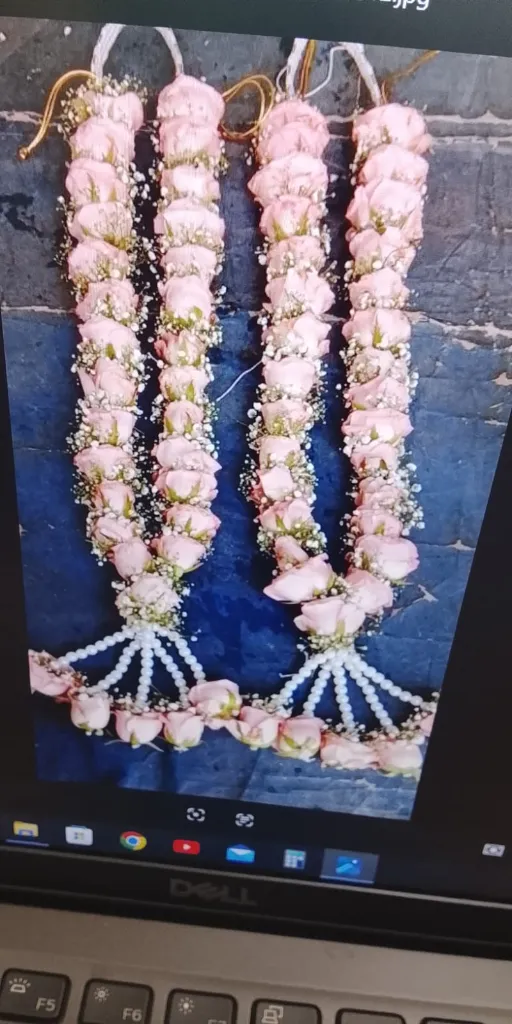
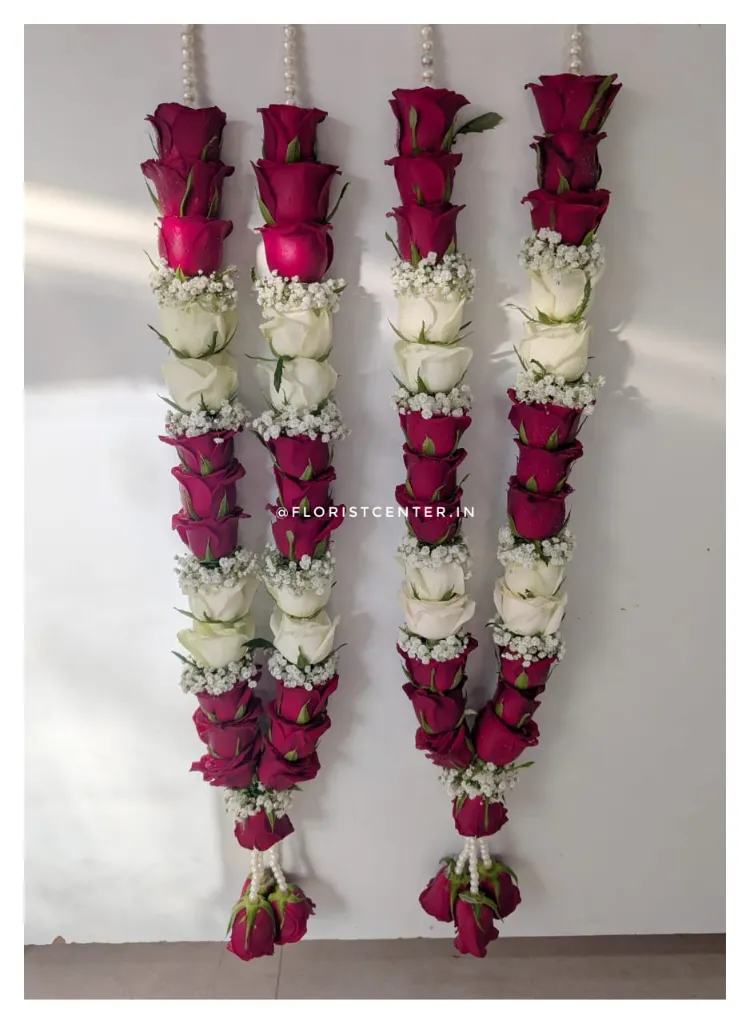
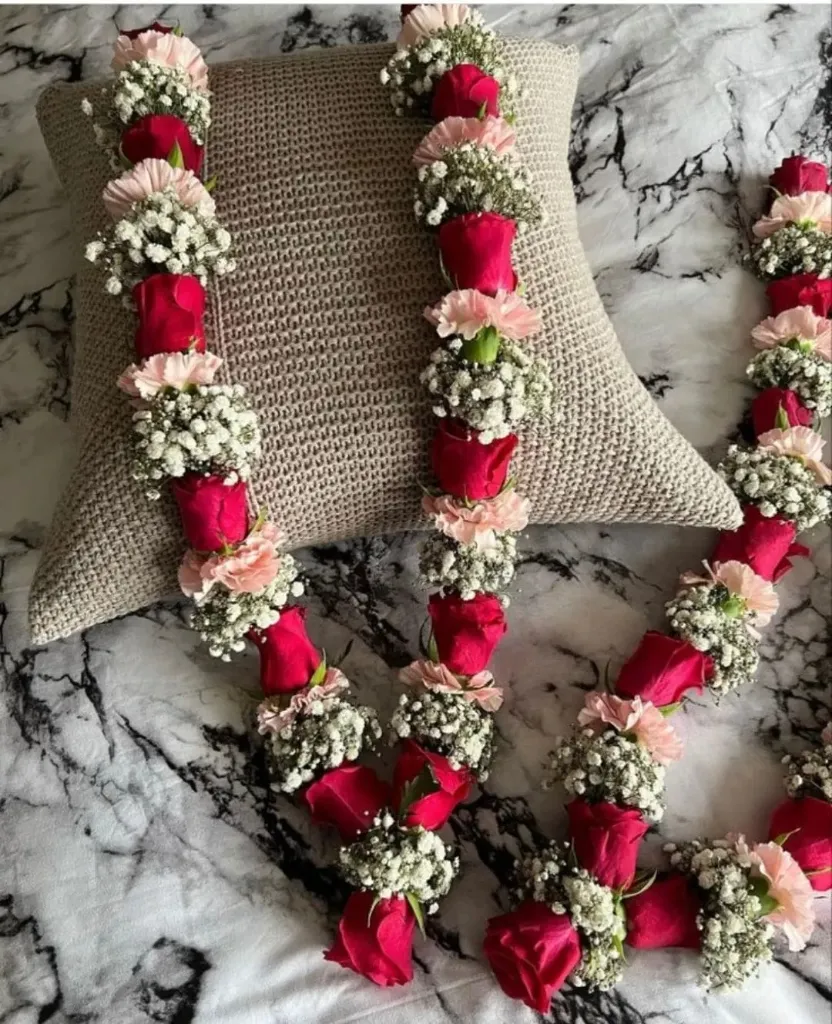
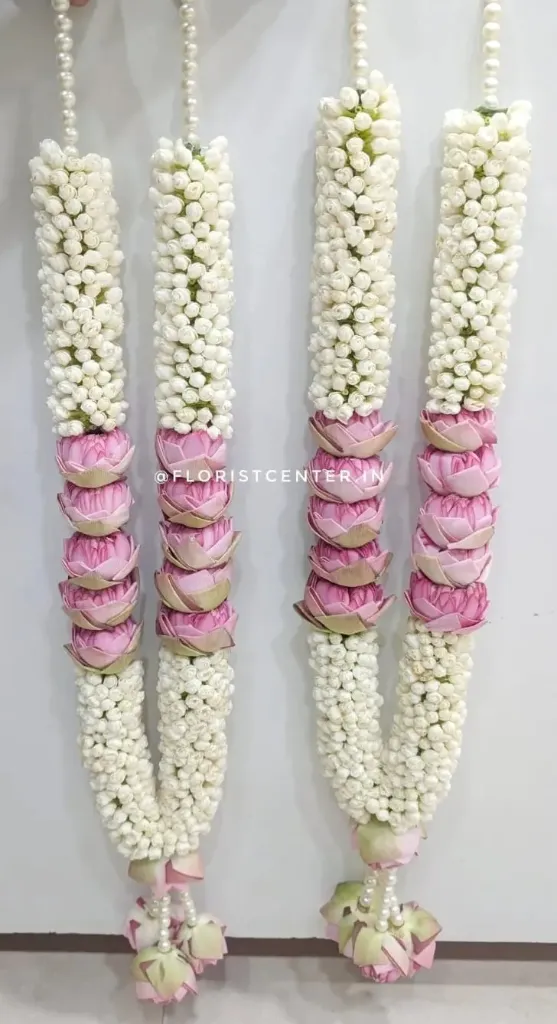
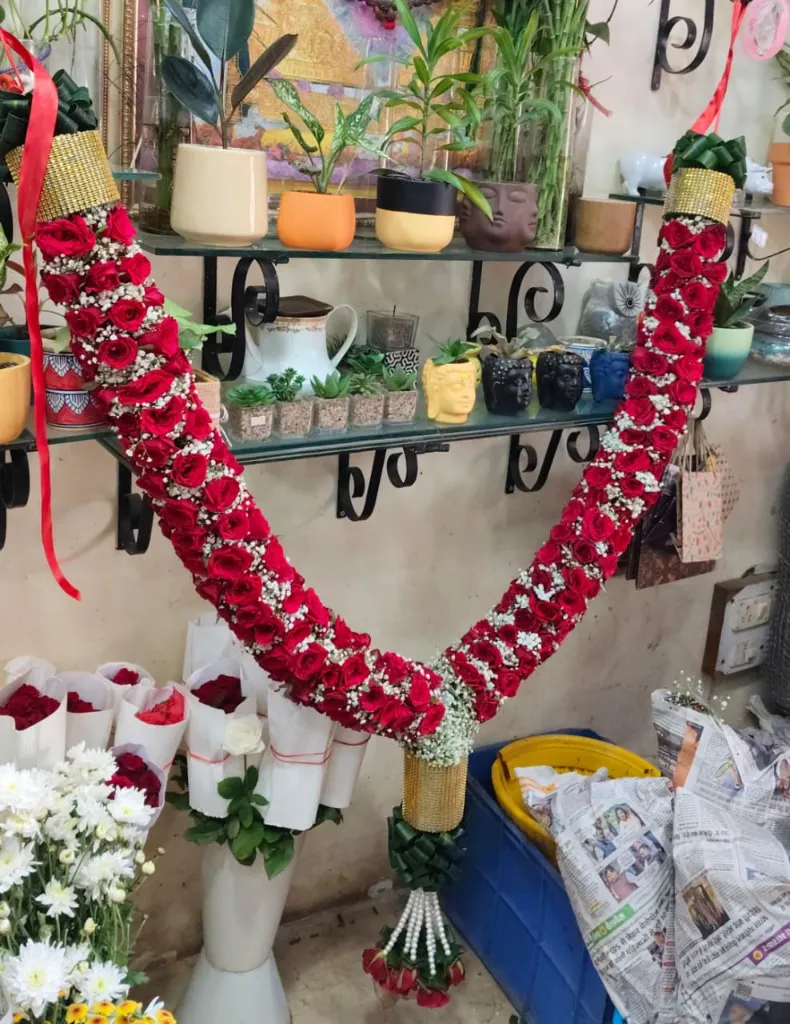
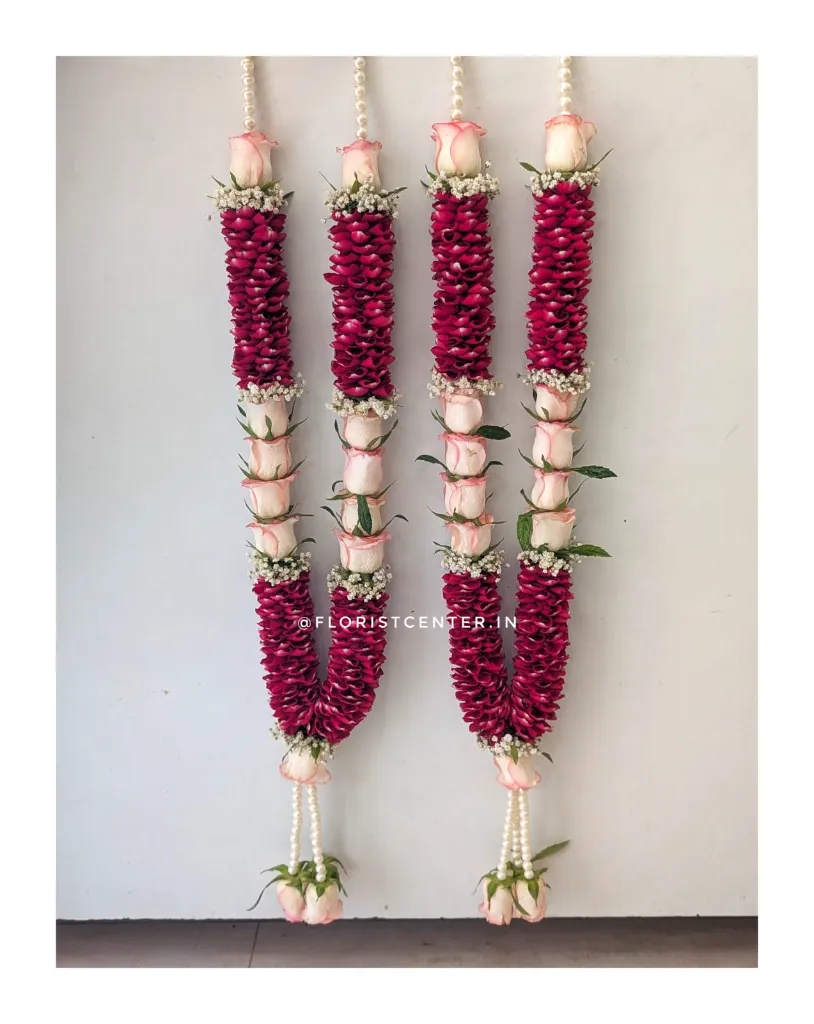
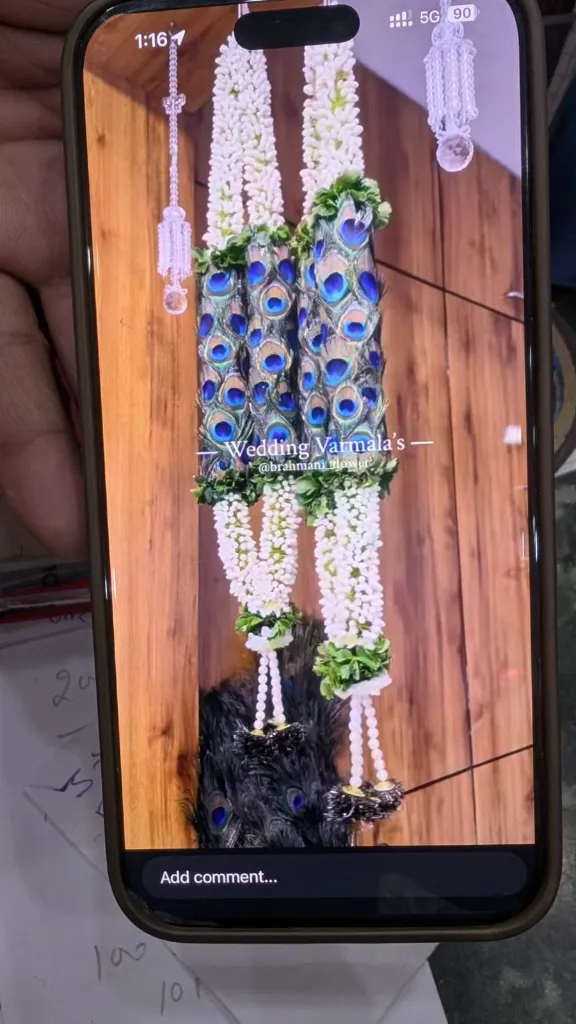
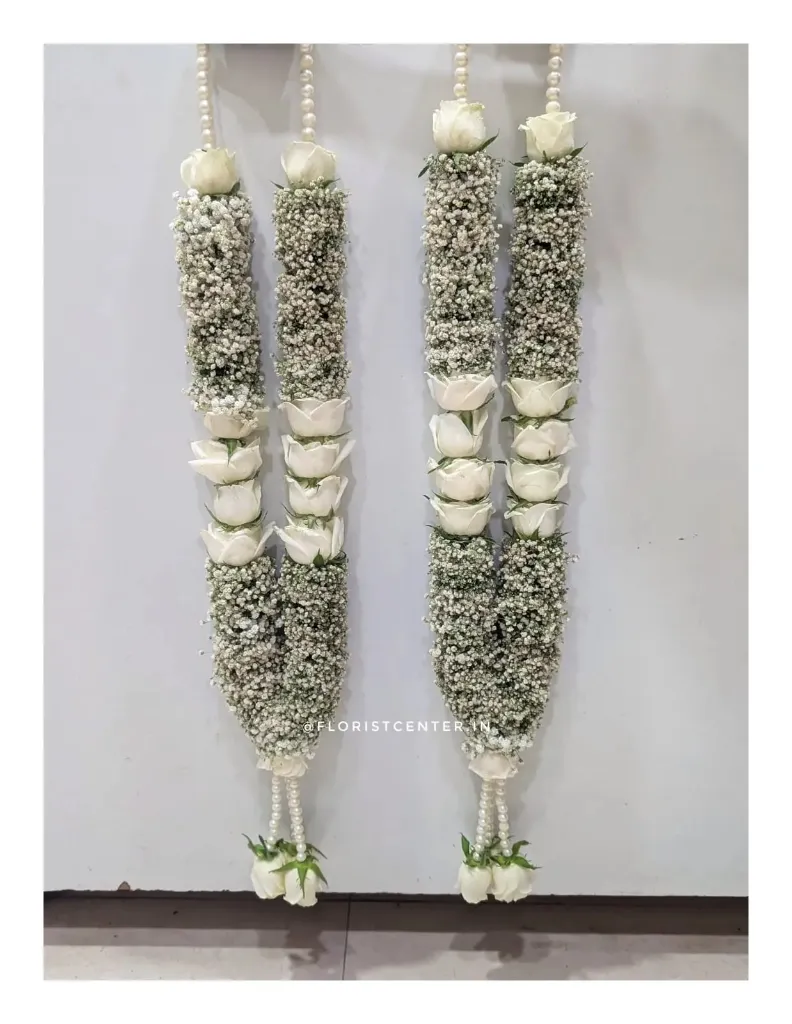
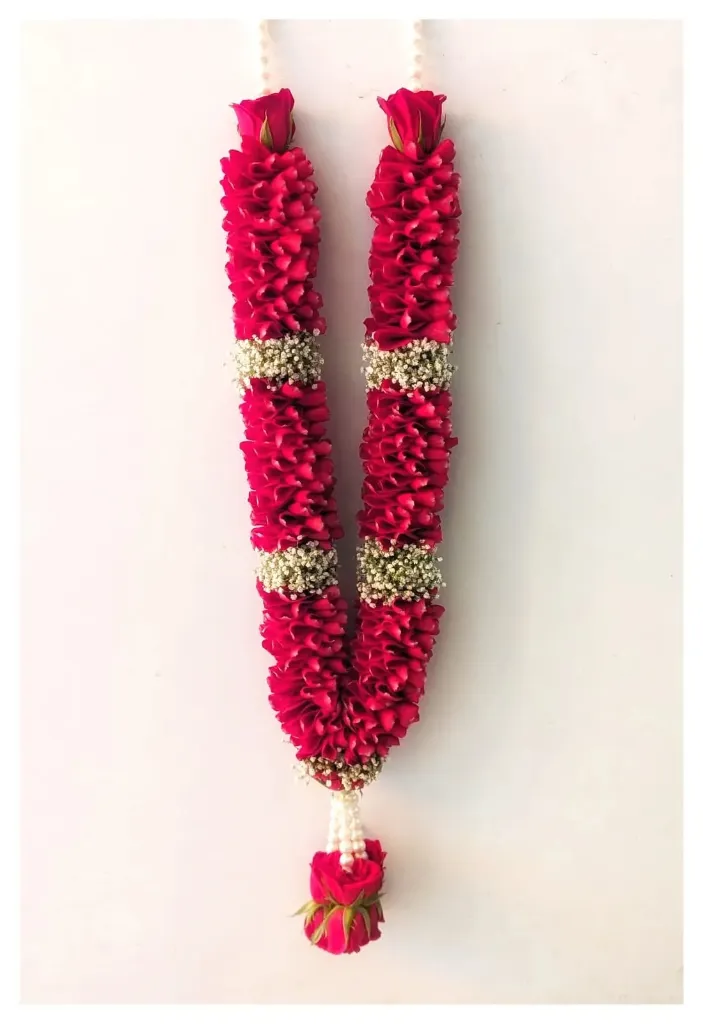
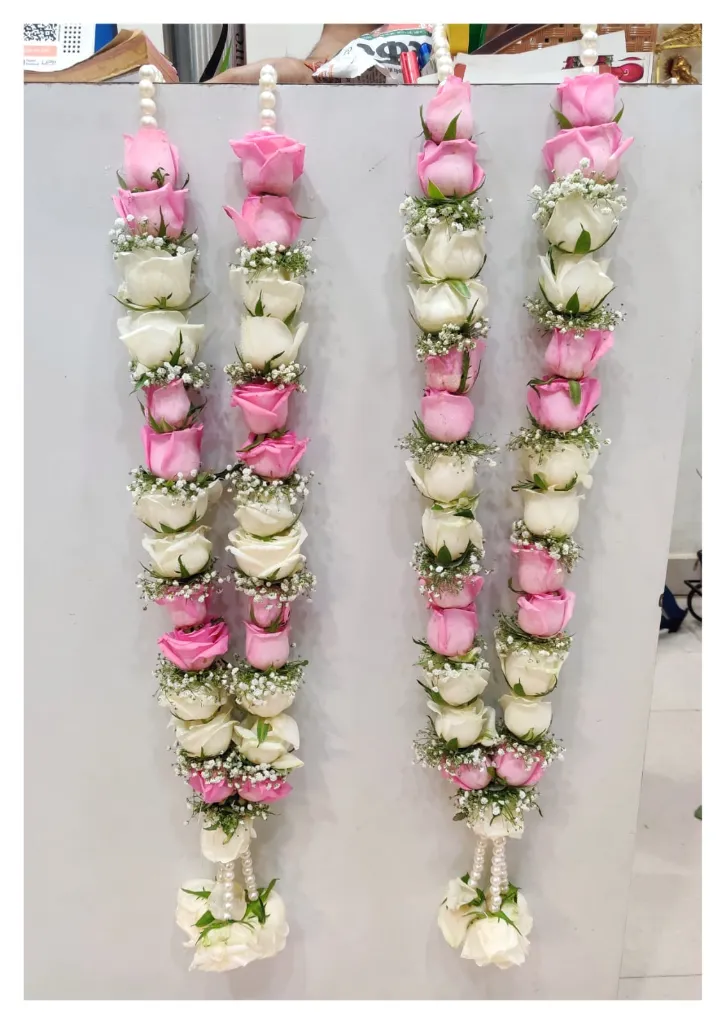
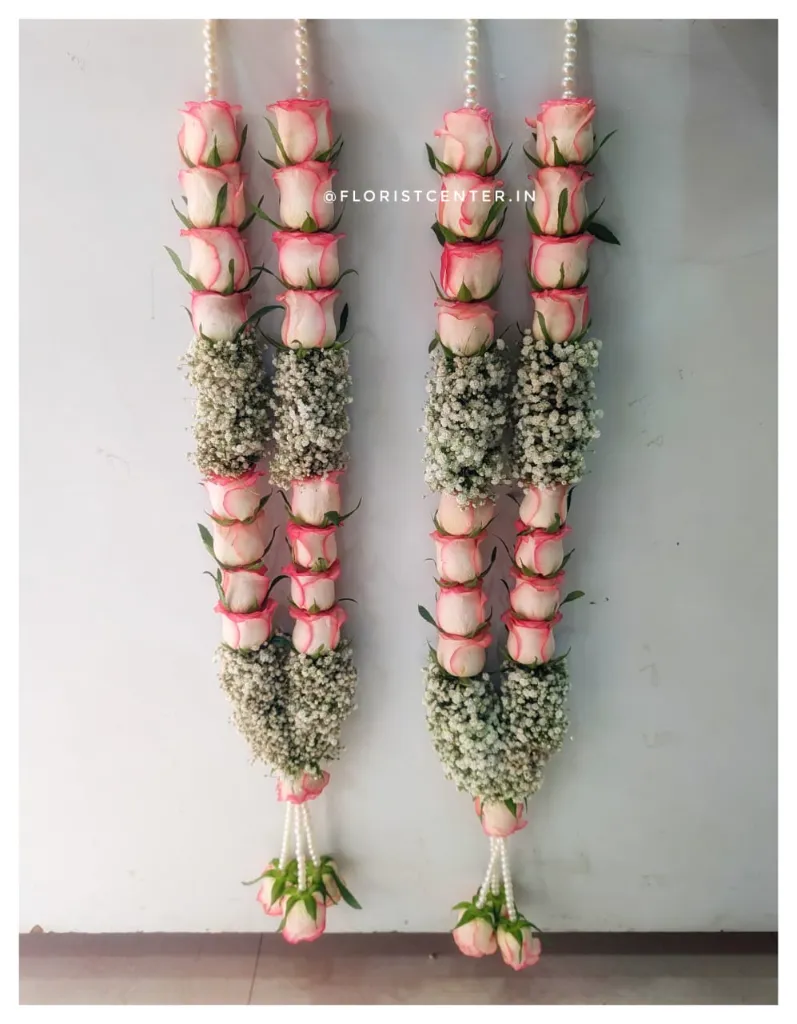
The varmala, also known as jaimala, is a garland exchange ceremony that marks the beginning of a Hindu wedding. It's a symbolic ritual where the bride and groom exchange garlands, signifying their acceptance of each other as partners for life. This first ritual of the wedding is often a joyous and fun occasion, with playful banter and sometimes even playful competition between the bride and groom's sides.
Here's a more detailed description:
Significance:
The varmala symbolizes the couple's willingness to enter into a marital relationship and their acceptance of each other. It's a public declaration of their commitment to love, responsibility, and companionship.
The Ceremony:
The varmala ceremony is a lively and energetic part of the wedding. The bride and groom typically exchange garlands while standing on a stage or platform, surrounded by their families and friends.
Symbolism of Flowers:
The garlands are typically made of fresh flowers like roses, marigolds, or orchids, often with decorative elements like currency notes. The flowers symbolize love, happiness, and prosperity.
Modern Variations:
While traditional varmalas are made of flowers, modern variations can include decorative elements like currency notes or other symbolic items.
In essence, the varmala ceremony is a visually striking and emotionally significant part of a Hindu wedding, marking the official start of the couple's journey together.